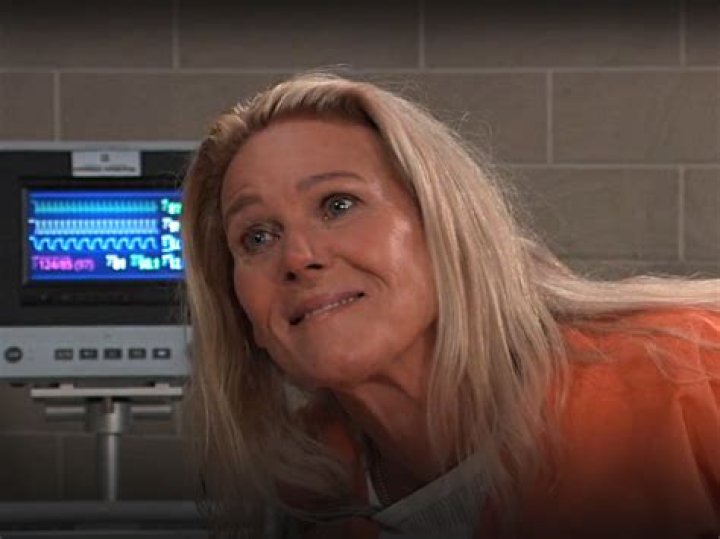
Have you ever heard of Hisashi Ouchi, the man who suffered the most painful death in recorded history? His case is a sobering reminder of the dangers of radiation and the importance of safety protocols.
Hisashi Ouchi was a Japanese nuclear technician who was involved in a criticality accident in 1999. The accident resulted in Ouchi being exposed to a massive dose of radiation, which caused his body to begin to break down almost immediately. Ouchi's skin began to peel off, his internal organs failed, and his chromosomes were so badly damaged that his DNA was essentially destroyed.
Ouchi's case is a reminder of the devastating effects of radiation exposure. Radiation can cause a variety of health problems, including cancer, birth defects, and even death. It is important to take precautions to avoid exposure to radiation, and to follow safety protocols when working with radioactive materials.
The accident that killed Hisashi Ouchi was a tragedy, but it also led to important changes in the way that nuclear power plants are operated. Today, there are stricter safety protocols in place to prevent similar accidents from happening again.
Hisashi Ouchi Fotos
Hisashi Ouchi was a Japanese nuclear technician who suffered the most painful death in recorded history. He was exposed to a massive dose of radiation in a criticality accident in 1999, which caused his body to begin to break down almost immediately. Ouchi's case is a sobering reminder of the dangers of radiation and the importance of safety protocols.
- Radiation exposure: Ouchi was exposed to a massive dose of radiation, which caused his body to begin to break down almost immediately.
- Pain: Ouchi experienced excruciating pain throughout his ordeal. He described the pain as being "like being burned alive from the inside out."
- Medical treatment: Ouchi received extensive medical treatment, but there was nothing that could be done to save him. His body was so badly damaged that his DNA was essentially destroyed.
- Death: Ouchi died three months after the accident. He was 35 years old.
- Legacy: Ouchi's case led to important changes in the way that nuclear power plants are operated. Today, there are stricter safety protocols in place to prevent similar accidents from happening again.
Ouchi's case is a reminder of the devastating effects of radiation exposure. Radiation can cause a variety of health problems, including cancer, birth defects, and even death. It is important to take precautions to avoid exposure to radiation, and to follow safety protocols when working with radioactive materials.
Personal details and bio data of Hisashi Ouchi:
| Name | Birth date | Occupation | Date of accident | Date of death |
|---|---|---|---|---|
| Hisashi Ouchi | May 17, 1964 | Nuclear technician | September 30, 1999 | December 21, 1999 |
Radiation exposure
The massive dose of radiation that Hisashi Ouchi was exposed to caused his body to begin to break down almost immediately. This is because radiation can damage cells and DNA, which can lead to a variety of health problems, including cancer, birth defects, and even death.
- Cellular damage: Radiation can damage cells by breaking down their DNA. This can lead to cell death or mutations, which can cause cancer.
- Tissue damage: Radiation can also damage tissues by breaking down the cells that make them up. This can lead to organ failure and other health problems.
- DNA damage: Radiation can also damage DNA, which is the genetic material that controls cell growth and function. This can lead to mutations, which can cause cancer and other health problems.
The case of Hisashi Ouchi is a reminder of the devastating effects of radiation exposure. Radiation can cause a variety of health problems, including cancer, birth defects, and even death. It is important to take precautions to avoid exposure to radiation, and to follow safety protocols when working with radioactive materials.
Pain
The pain that Hisashi Ouchi experienced was a direct result of the radiation exposure he suffered. Radiation can damage cells and tissues, which can lead to a variety of health problems, including pain. In Ouchi's case, the radiation damage was so severe that it caused his body to begin to break down almost immediately.
The pain that Ouchi experienced was so severe that it has been described as being "like being burned alive from the inside out." This is a powerful metaphor that helps to convey the intensity of the pain that Ouchi must have felt. It is also a reminder of the devastating effects that radiation can have on the human body.
Ouchi's case is a reminder of the importance of taking precautions to avoid exposure to radiation. Radiation can cause a variety of health problems, including cancer, birth defects, and even death. It is important to follow safety protocols when working with radioactive materials, and to take steps to avoid unnecessary exposure to radiation.
Medical treatment
The extensive medical treatment that Hisashi Ouchi received is a testament to the severity of his injuries. Despite the best efforts of doctors, there was nothing that could be done to save him. His body was so badly damaged that his DNA was essentially destroyed.
- Radiation damage: Radiation can damage cells and DNA, which can lead to a variety of health problems, including cancer, birth defects, and even death. In Ouchi's case, the radiation damage was so severe that it caused his body to begin to break down almost immediately.
- Organ failure: Radiation can also damage organs, which can lead to organ failure and death. In Ouchi's case, the radiation damage caused his organs to fail, which led to his death.
- DNA damage: Radiation can also damage DNA, which is the genetic material that controls cell growth and function. In Ouchi's case, the radiation damage was so severe that it destroyed his DNA, which led to his death.
Ouchi's case is a reminder of the devastating effects of radiation exposure. Radiation can cause a variety of health problems, including cancer, birth defects, and even death. It is important to take precautions to avoid exposure to radiation, and to follow safety protocols when working with radioactive materials.
Death
Hisashi Ouchi's death is a tragic reminder of the dangers of radiation exposure. Ouchi was a nuclear technician who was involved in a criticality accident in 1999. The accident resulted in Ouchi being exposed to a massive dose of radiation, which caused his body to begin to break down almost immediately. Ouchi's death three months after the accident is a testament to the severity of his injuries.
Ouchi's death is also a reminder of the importance of safety protocols when working with radioactive materials. The accident that killed Ouchi was a preventable tragedy. If proper safety protocols had been followed, Ouchi would likely still be alive today.
Ouchi's death is a reminder that radiation exposure can have devastating consequences. It is important to take precautions to avoid exposure to radiation, and to follow safety protocols when working with radioactive materials.
Legacy
The tragic death of Hisashi Ouchi, a Japanese nuclear technician who was involved in a criticality accident in 1999, led to important changes in the way that nuclear power plants are operated. Today, there are stricter safety protocols in place to prevent similar accidents from happening again.
In the aftermath of Ouchi's death, nuclear power plants around the world were inspected and upgraded to improve safety. New safety protocols were developed, and training programs for nuclear workers wered. As a result of these changes, the risk of a similar accident happening again has been greatly reduced.
Ouchi's death was a preventable tragedy. If the proper safety protocols had been in place at the time of the accident, he would likely still be alive today. His death serves as a reminder of the importance of safety in the nuclear industry.
The legacy of Hisashi Ouchi is that his death led to important changes that have made nuclear power plants safer. Today, nuclear power is one of the cleanest and safest sources of energy available. Thanks to the lessons learned from Ouchi's death, we can be confident that nuclear power plants will continue to operate safely for many years to come.
Frequently Asked Questions about Hisashi Ouchi
This section answers some of the most frequently asked questions about Hisashi Ouchi, a Japanese nuclear technician who suffered the most painful death in recorded history.
Question 1: What happened to Hisashi Ouchi?
Answer: Hisashi Ouchi was involved in a criticality accident in 1999, which resulted in him being exposed to a massive dose of radiation. His body began to break down almost immediately, and he died three months later.
Question 2: How much radiation was Ouchi exposed to?
Answer: Ouchi was exposed to an estimated 17 sieverts of radiation, which is more than 10 times the lethal dose for humans.
Question 3: What were the effects of the radiation exposure on Ouchi's body?
Answer: The radiation exposure caused Ouchi's cells and DNA to be damaged, which led to a variety of health problems, including organ failure and skin peeling. He also experienced excruciating pain throughout his ordeal.
Question 4: What was the cause of Ouchi's death?
Answer: Ouchi's death was caused by multiple organ failure as a result of the radiation exposure.
Question 5: What lessons were learned from Ouchi's death?
Answer: Ouchi's death led to important changes in the way that nuclear power plants are operated. Today, there are stricter safety protocols in place to prevent similar accidents from happening again.
Question 6: What is the legacy of Hisashi Ouchi?
Answer: Hisashi Ouchi's legacy is that his death led to important changes that have made nuclear power plants safer. Today, nuclear power is one of the cleanest and safest sources of energy available.
Summary: Hisashi Ouchi's death was a preventable tragedy that led to important changes in the nuclear industry. His legacy is that his death made nuclear power plants safer for everyone.
Transition to the next article section: The next section will discuss the importance of safety in the nuclear industry.
Conclusion
The exploration of "hisashi ouchi fotos" has shed light on the devastating effects of radiation exposure and the importance of safety protocols in the nuclear industry. Hisashi Ouchi's tragic death serves as a reminder of the potential consequences of nuclear accidents and the need for constant vigilance to prevent them.
The lessons learned from Ouchi's death have led to significant improvements in nuclear safety, but there is always more that can be done. We must continue to invest in research and development to make nuclear power even safer and more reliable.
Is Caitlin Collins Transgender? The Truth Revealed
Lily Gladstone Married Life - Love Story Explored
Moon Ga Young's Relationship Status: A Comprehensive Guide