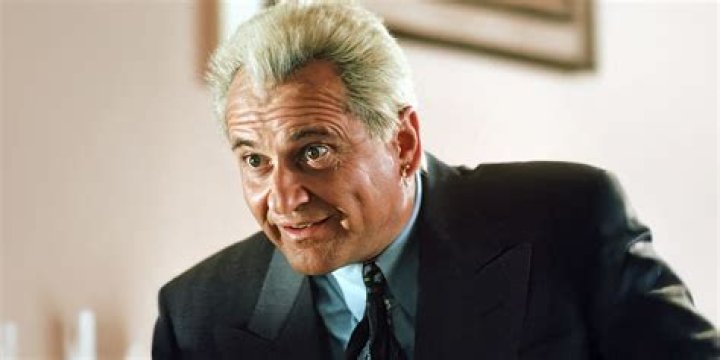
Pablo Escobar, the notorious Colombian drug lord, amassed an astounding fortune during his reign as the head of the Medelln Cartel. At the peak of his criminal empire, Escobar's wealth was estimated to be around $30 billion, making him one of the richest criminals in history.
Escobar's primary source of income was the cocaine trade. He controlled a vast network of coca plantations and processing labs in Colombia, Peru, and Bolivia. At its height, the Medelln Cartel was responsible for supplying up to 80% of the cocaine smuggled into the United States. Escobar's cartel also engaged in other criminal activities, including money laundering, extortion, and kidnapping.
Escobar's wealth allowed him to live a lavish lifestyle. He owned luxurious mansions, private jets, and exotic animals. He also spent millions of dollars on charitable projects in his hometown of Medelln, which earned him some support from the local population.
However, Escobar's criminal empire eventually led to his downfall. He was killed by Colombian police in 1993 during a raid on his hideout. His death marked the end of the Medelln Cartel, but the legacy of his wealth and power continues to fascinate people to this day.
How Much Did Pablo Escobar Make in a Day?
Pablo Escobar, the notorious Colombian drug lord, amassed an astounding fortune during his reign as the head of the Medelln Cartel. At the peak of his criminal empire, Escobar's wealth was estimated to be around $30 billion, making him one of the richest criminals in history.
- Drug Trade: Escobar's primary source of income was the cocaine trade. He controlled a vast network of coca plantations and processing labs in Colombia, Peru, and Bolivia.
- Money Laundering: Escobar laundered his drug money through a variety of legitimate businesses, including real estate, cattle ranching, and soccer clubs.
- Extortion: Escobar extorted money from businesses and individuals throughout Colombia. He also kidnapped wealthy Colombians and held them for ransom.
- Lavish Lifestyle: Escobar spent his wealth on a lavish lifestyle, including luxury cars, private jets, and exotic animals.
- Charitable Projects: Escobar also spent millions of dollars on charitable projects in his hometown of Medelln, which earned him some support from the local population.
- Downfall: Escobar's criminal empire eventually led to his downfall. He was killed by Colombian police in 1993 during a raid on his hideout.
Escobar's wealth and power continue to fascinate people to this day. He is a reminder of the dangers of the drug trade and the corrupting influence of money.
| Name | Pablo Emilio Escobar Gaviria |
|---|---|
| Born | 1 December 1949, Rionegro, Colombia |
| Died | 2 December 1993 (aged 44), Medelln, Colombia |
| Occupation | Drug lord |
| Known for | Co-founder and sole leader of the Medelln Cartel |
| Net worth | US$30 billion (at the time of his death) |
Drug Trade
The drug trade was Pablo Escobar's primary source of income, and it played a major role in how much he made in a day. At the peak of his power, Escobar's Medellin Cartel controlled up to 80% of the cocaine smuggled into the United States. This gave him a virtual monopoly on the cocaine trade, and he was able to charge exorbitant prices for his product.
In addition to the profits from cocaine sales, Escobar also made money from other criminal activities, such as money laundering, extortion, and kidnapping. However, the drug trade was by far his most important source of income.
The drug trade had a devastating impact on Colombia. It led to widespread violence and corruption, and it destabilized the country's economy. Escobar's Medellin Cartel was responsible for thousands of deaths, and it is estimated that the drug trade cost Colombia billions of dollars in lost revenue.
The drug trade is a major problem around the world. It leads to violence, corruption, and instability. It is also a major source of income for criminal organizations like the Medellin Cartel.
Money Laundering
Money laundering is the process of disguising the origins of illegally obtained money so that it appears to come from a legitimate source. Escobar laundered his drug money through a variety of legitimate businesses, including real estate, cattle ranching, and soccer clubs. This allowed him to hide his wealth from law enforcement and to continue to operate his criminal empire.
Escobar's money laundering activities had a significant impact on how much he made in a day. By laundering his drug money, he was able to reinvest it in his criminal operations and to expand his empire. He was also able to use his legitimate businesses to generate additional income, which further increased his wealth.
The connection between money laundering and how much Escobar made in a day is important because it shows how criminals can use legitimate businesses to hide their illegal activities and to increase their wealth. It also highlights the importance of law enforcement efforts to combat money laundering and to disrupt criminal organizations like the Medellin Cartel.
Extortion
Extortion was a major source of income for Pablo Escobar and the Medellin Cartel. By extorting money from businesses and individuals, Escobar was able to generate a significant amount of revenue on a daily basis.
One of the most famous examples of Escobar's extortion tactics was the kidnapping of Andres Pastrana, a Colombian presidential candidate. Escobar kidnapped Pastrana in 1988 and held him for ransom for several months. The Colombian government eventually paid a ransom of $10 million to secure Pastrana's release.
Escobar also extorted money from businesses throughout Colombia. He would often threaten to kill or kidnap business owners and their families if they did not pay him protection money. Many businesses paid Escobar's extortion demands out of fear for their safety.Extortion was a major factor in how much Escobar made in a day. By extorting money from businesses and individuals, Escobar was able to generate a significant amount of revenue that he could use to fund his criminal activities and to enrich himself.The connection between extortion and how much Escobar made in a day is important because it shows how criminals can use extortion to generate income and to fund their criminal activities. It also highlights the importance of law enforcement efforts to combat extortion and to disrupt criminal organizations like the Medellin Cartel.
Lavish Lifestyle
Pablo Escobar's lavish lifestyle was a direct result of the immense wealth he accumulated through his criminal activities. His extravagant spending habits played a significant role in how much he made in a day.
- High Expenses: Escobar's lavish lifestyle required a significant amount of money to maintain. He spent millions of dollars on luxury cars, private jets, and exotic animals. These expenses ate into his daily earnings and reduced the amount of money he could reinvest in his criminal operations.
- Image Building: Escobar's lavish lifestyle also served as a way for him to build his image and reputation. By surrounding himself with luxury and wealth, he projected an aura of power and invincibility. This image helped him to intimidate his rivals and to maintain control over his criminal empire.
- Symbol of Success: In the world of drug trafficking, a lavish lifestyle is often seen as a symbol of success. By displaying his wealth, Escobar was able to demonstrate his status and power within the criminal underworld.
Escobar's lavish lifestyle was a major factor in how much he made in a day. His extravagant spending habits reduced his profits and limited his ability to reinvest in his criminal operations. However, his lavish lifestyle also served as a way for him to build his image and reputation, and to symbolize his success within the criminal underworld.
Charitable Projects
The connection between Pablo Escobar's charitable projects and how much he made in a day is complex and multifaceted. On the one hand, Escobar's charitable giving can be seen as a way to launder money and gain public support. On the other hand, it is also possible that Escobar genuinely wanted to help the people of his hometown.
- Money Laundering: Escobar's charitable projects could have been used to launder drug money and hide his wealth from law enforcement. By donating money to hospitals, schools, and other public institutions, Escobar could make his drug money appear legitimate.
- Public Support: Escobar's charitable giving also earned him some support from the local population. By providing much-needed services to the people of Medelln, Escobar was able to create a positive image for himself and to build a base of support among the local community.
- Genuine Desire to Help: It is also possible that Escobar genuinely wanted to help the people of his hometown. Escobar was born and raised in Medelln, and he may have felt a sense of responsibility to give back to the community. His charitable projects may have been a way for him to make amends for his criminal activities.
Ultimately, it is difficult to say for sure what motivated Escobar's charitable giving. However, it is clear that his charitable projects had a significant impact on how much he made in a day. By laundering money and gaining public support, Escobar was able to increase his wealth and maintain his power.
Downfall
The downfall of Pablo Escobar's criminal empire is directly connected to how much he made in a day. Escobar's lavish lifestyle and extravagant spending habits required a constant flow of income to maintain. His criminal activities, primarily the drug trade, extortion, and money laundering, generated enormous profits, allowing him to amass a vast fortune.
However, Escobar's wealth and power also made him a target for law enforcement and rival criminal organizations. The Colombian government launched a massive manhunt for Escobar, and the United States offered a $10 million reward for his capture. In 1993, Colombian police tracked down Escobar to a safe house in Medelln and killed him in a raid.
Escobar's downfall serves as a cautionary tale about the dangers of greed and the pursuit of excessive wealth. His criminal empire led to his eventual demise, and his vast fortune could not save him from the consequences of his actions.
FAQs about Pablo Escobar's Earnings
This section provides answers to frequently asked questions about how much Pablo Escobar made in a day, shedding light on various aspects of his wealth and criminal empire.
Question 1: How much money did Pablo Escobar make per day?
Due to the illicit nature of Escobar's activities and the lack of official financial records, it is difficult to determine the exact amount he made per day. However, estimates suggest that at the peak of his reign, Escobar's Medellin Cartel generated billions of dollars annually through drug trafficking and other criminal enterprises.
Question 2: What were the sources of Pablo Escobar's income?
Escobar's primary source of income was the drug trade, particularly cocaine trafficking. He controlled a vast network of cocaine production and distribution, supplying a significant portion of the global cocaine market. Additionally, Escobar engaged in money laundering, extortion, and other illegal activities to supplement his earnings.
Question 3: How did Escobar's wealth impact his life?
Escobar's immense wealth allowed him to live an extravagant lifestyle, indulging in luxurious possessions such as private jets, exotic animals, and lavish mansions. He also invested in real estate, sports teams, and other legitimate businesses to launder his illicit funds.
Question 4: What was the downfall of Pablo Escobar?
Escobar's criminal empire eventually led to his downfall. Despite his wealth and power, he became a target of law enforcement and rival cartels. In 1993, he was tracked down by Colombian police and killed in a raid on his hideout.
Question 5: What is the legacy of Pablo Escobar?
Pablo Escobar remains a controversial figure. While some view him as a ruthless criminal responsible for violence and corruption, others see him as a charismatic and generous individual who provided financial support to the poor in his hometown.
Question 6: What lessons can be learned from Pablo Escobar's life?
Escobar's life offers a cautionary tale about the dangers of greed, corruption, and the pursuit of excessive wealth. His downfall highlights the importance of ethical conduct, the rule of law, and the fight against organized crime.
In conclusion, Pablo Escobar's earnings are a testament to the vast wealth that can be accumulated through criminal activities. However, his life also serves as a reminder of the negative consequences that can result from such actions.
Next, we will explore Pablo Escobar's lavish lifestyle and its impact on his daily life and public image.
Conclusion
Pablo Escobar's immense wealth, generated primarily through illicit drug trafficking, allowed him to live an extravagant lifestyle and wield significant power. His earnings, estimated to be billions of dollars annually, were a testament to the vast profits that could be reaped from criminal enterprises.
However, Escobar's wealth and criminal empire ultimately led to his downfall. His lavish lifestyle and illegal activities made him a target for law enforcement and rival cartels, culminating in his death in 1993. Escobar's life serves as a cautionary tale about the corrosive effects of greed and corruption, and the importance of combating organized crime and promoting ethical conduct.
The Intimate Life Of Anthony Starr: Unveiling His Wife
Ultimate Guide To Zoechil: Comprehensive Insights
Discover Tylas Weight: The Ultimate Guide To Healthy Weight Management